Keno Prize Structures Explained
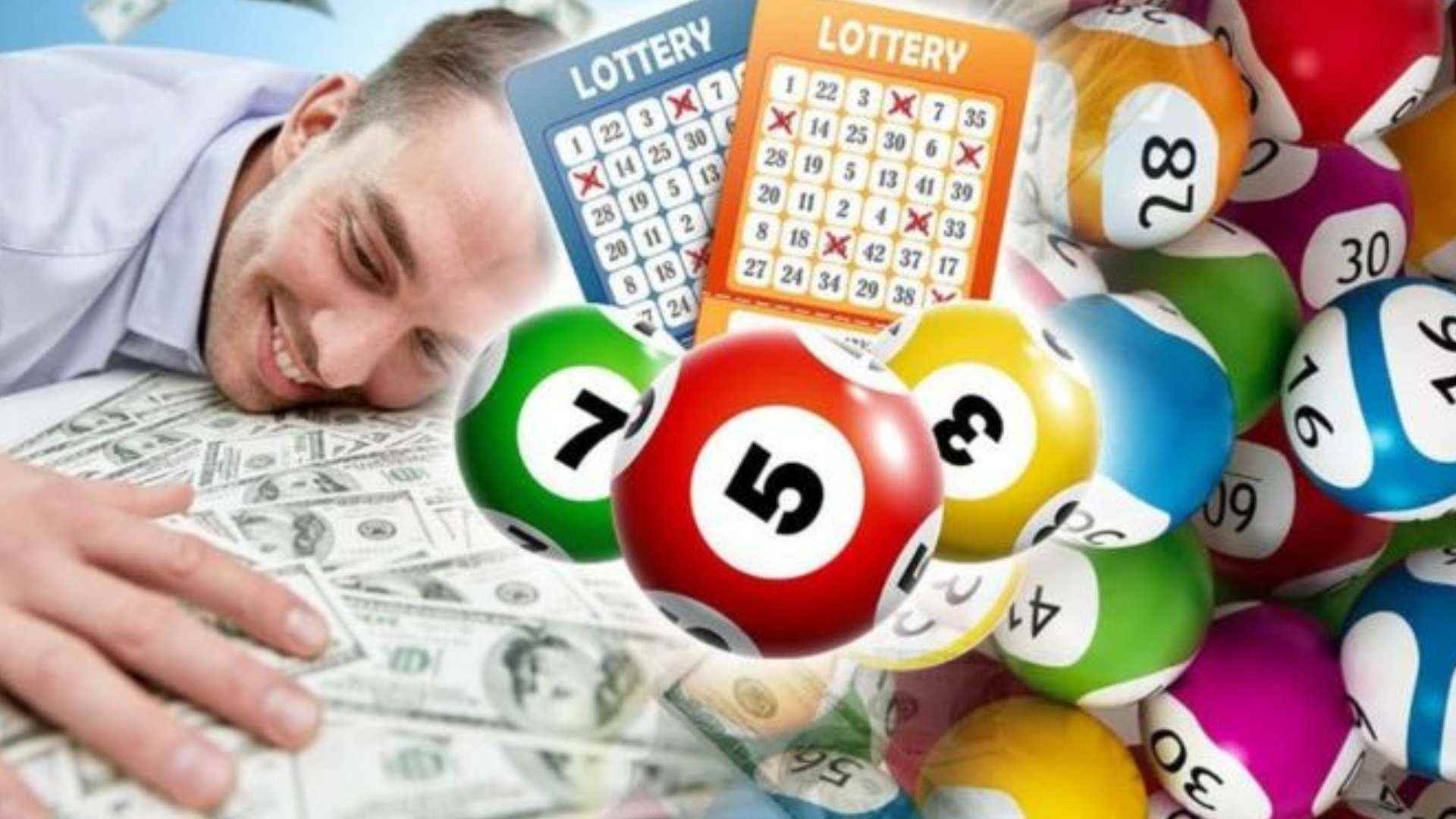
Keno is a highly popular lottery-style casino game that combines simplicity with the thrill of potentially massive payouts. While the mechanics of selecting numbers are easy to grasp, the underlying prize systems can appear intricate to newcomers. Understanding how these reward frameworks operate is essential for anyone looking to manage their expectations and appreciate the true dynamics of the game.
How Keno Paytables Determine Your Winnings
Unlike traditional lotteries where prizes are largely fixed or dependent on total ticket sales, Keno winnings are dictated by a structured paytable. This matrix outlines exactly how much a player stands to win based on two primary factors: the amount of numbers selected and how many of those picks successfully match the drawn numbers. Because different casinos and platforms establish their own unique paytables, payouts can vary significantly from one venue to another.
When reviewing a typical paytable, you will notice that hitting a higher percentage of your chosen numbers yields exponentially larger returns. For instance, selecting ten numbers and catching five of them offers a modest reward, whereas catching all ten can trigger a life-changing jackpot. Navigating these platforms efficiently often requires reliable portals, and players frequently look for a trusted Msports destination to review their options and find games with favorable return-to-player percentages.
The Concept of Spots and Catches
In official gaming terminology, the numbers a player chooses are referred to as spots, while the successfully matched numbers are called catches. A player might decide to engage in a 4-spot game, meaning they select four specific numbers out of the standard eighty available on the card. The prize structure adjusts dynamically according to the total number of spots you choose to play prior to the random drawing.
Interestingly, some extensive prize configurations even reward players who fail to match a single digit when playing a high number of spots. For example, if you choose fifteen numbers and catch absolutely zero, certain paytables will still offer a consolation prize due to the statistical rarity of that outcome. This unique mechanism adds an extra layer of engagement, ensuring that even unusual streaks of bad luck can sometimes result in a payout.
Evaluating Odds Against Potential Returns
Every tier within a prize structure is directly tied to mathematical probability, which inherently influences the house edge. The odds of catching all selected numbers become significantly steeper as the size of your spot selection increases. Consequently, seasoned players often strike a balance by targeting mid-range spots, such as four to six picks, where the probability of winning remains relatively realistic while still offering satisfying returns.
It is also worth noting that wagering larger amounts per draw scales your potential rewards proportionally rather than changing the core odds. If a specific paytable offers a five-to-one return on a particular outcome, a larger initial bet simply multiplies that exact baseline return. By thoroughly analyzing these payout grids, players can make informed choices that align with their personal entertainment budgets and risk tolerance levels.