Developing Logical Skills Through Reward Based Games
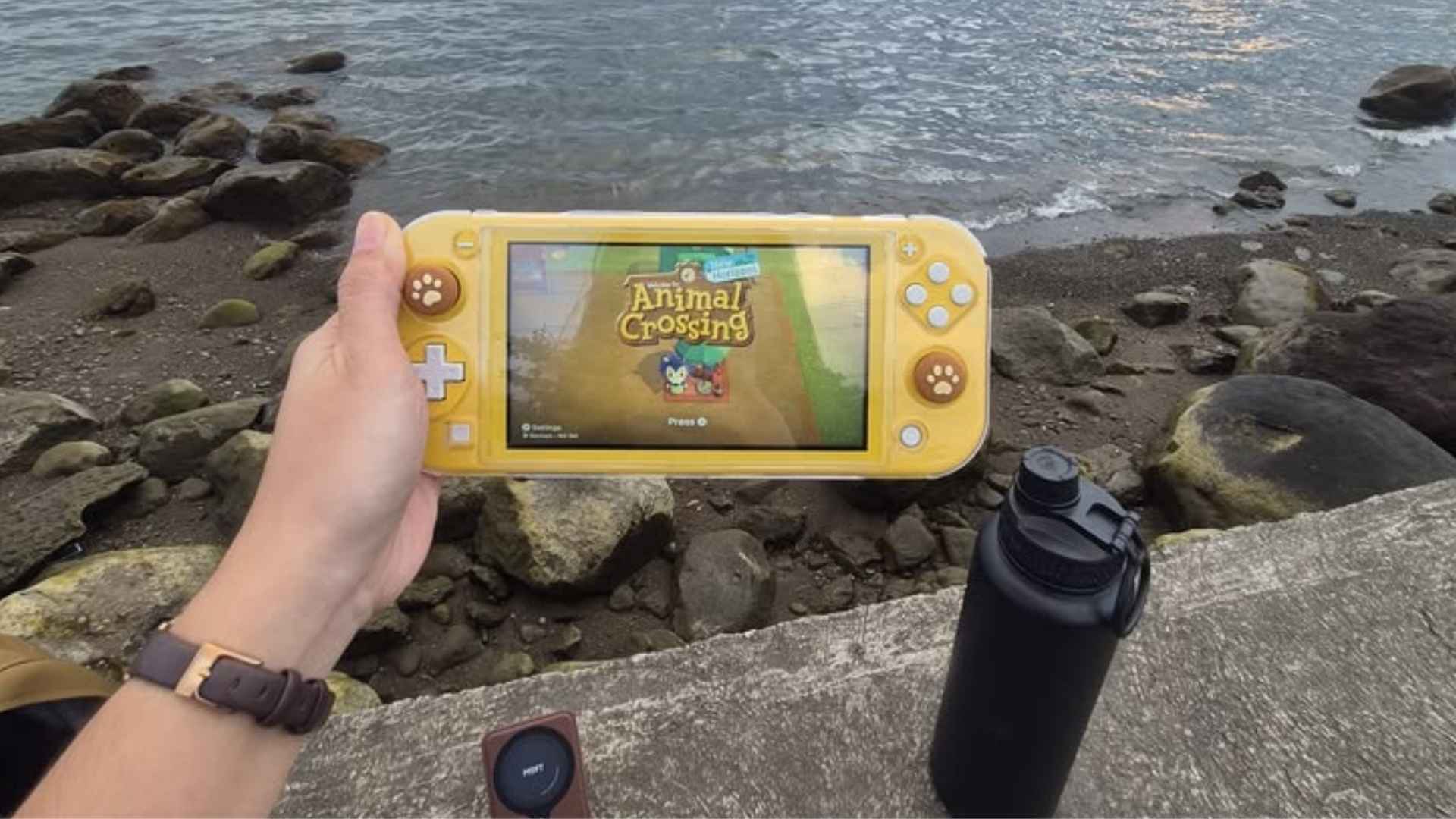
Interactive puzzle software and strategic gaming platforms increasingly incorporate real-time feedback mechanisms to promote cognitive development. Engaging with structured challenges helps players sharpen critical thinking, pattern recognition, and problem-solving techniques. As digital incentives encourage consistent participation, individuals naturally refine their analytical capabilities while enjoying an immersive experience.
The Connection Between Incentive Structures and Cognitive Growth
Reward-based platforms utilize goal-driven mechanics to stimulate mental agility and reward thoughtful strategy over random choices. When players receive instant recognition for completing complex stages, their motivation to analyze outcomes increases significantly. This positive reinforcement cycle strengthens logical reasoning habits that translate well into daily decision-making processes.
Furthermore, tiered objectives require players to break down larger problems into manageable tactical steps. By carefully measuring risk against potential rewards, users learn to evaluate multiple variables simultaneously. Over time, this structured approach builds mental resilience and improves long-term planning capabilities.
Enhancing Analytical Thinking Through Tactical Gameplay
Strategic gaming environments demand continuous evaluation of changing variables and resource allocation. Players must assess current board conditions, anticipate future scenarios, and adapt their strategies to achieve optimal outcomes. This ongoing practice enhances pattern recognition, spatial awareness, and deductive logic.
Many modern gaming applications leverage sophisticated algorithms to dynamic adjust difficulty based on player progression. Exploring diverse analytical tools through m88 capital resources allows enthusiasts to observe market trends and strategic systems across digital landscapes. Developing custom strategies within complex environments directly reinforces cognitive adaptability and focus.
Building Systematic Problem-Solving Habits
Consistency in engaging with brain-training puzzles encourages systematic thinking rather than intuitive guesswork. Players quickly realize that methodical testing yields more consistent success than impulsive actions. This shift toward methodical analysis helps cultivate patience and analytical rigour.
In addition, tracking personal performance metrics over time provides valuable insights into cognitive strengths and areas needing improvement. Visualizing progress through digital reward systems fosters a mindset focused on continuous self-enhancement. Consequently, logical skill development becomes a natural byproduct of regular, intentional gameplay.
Practical Strategies for Optimizing Mental Exercise
To maximize the cognitive benefits of reward games, players should focus on titles that emphasize strategic depth rather than pure chance. Selecting games with escalating difficulty ensures that the brain remains continuously challenged without reaching a plateau. Setting dedicated time limits also prevents fatigue and keeps cognitive engagement sharp.
Ultimately, combining entertainment with structured mental exercises provides a balanced approach to personal development. By actively reflecting on game outcomes and refining techniques, players can achieve meaningful improvements in logical reasoning. Purposeful gaming transforms casual entertainment into a productive tool for cognitive enhancement.