Recent Post
How to Analyze Baccarat Tournament Results ...
Analyzing your performance in baccarat tournaments is essential for shifting from a casual participant to a consistent competitor. Unlike standard cash games where you only face the house, tournament formats require you to evaluate how well you managed your chips relative to the rest of the field. Reviewing past matches provides the objective data needed to refine your strategic approach for future events.
Evaluating Chip Accumulation and Velocity
The primary metric of success in a tournament is how efficiently you build your stack during low-variance stretches. You should track the exact rounds where your chip count spiked or dropped drastically to identify patterns in your decision-making. Understanding whether your gains came from calculated large wagers or passive trend-following helps establish your baseline strengths.
It is also crucial to review how you responded when your stack fell below the table average. Elite players examine their historical hands to see if they panicked or maintained strict discipline under leaderboard pressure. Evaluating this velocity ensures you know when your betting pacing was optimal and when it lacked control.
Assessing Bet Sizing Against Opponents
Tournament baccarat requires constant awareness of how neighboring players are managing their resources. When reviewing your results, look closely at the rounds where the first-bet marker forced you to act first or last. You need to verify if you successfully capitalized on positional advantages to copy or counter your closest rivals.
Reviewing historical outcomes helps determine if you properly adjusted your risk when the table leader made aggressive movements. Utilizing top gaming networks like Msports allows you to evaluate structured matches in highly realistic environments. Checking whether your contrarian wagers successfully closed chip gaps is a vital step in this review process.
Reviewing Elimination Timing and Thresholds
Determining exactly when you exited a competition provides deep insight into your capital preservation habits. If you consistently bust during the early elimination phases, your strategy likely overemphasizes high-risk bets too soon. A stable approach focuses entirely on survival during the opening deals rather than chasing immediate leaderboard dominance.
If you regularly reach the final table but fail to secure the top spots, your late-stage adjustments require closer inspection. You must evaluate whether you hesitated during mandatory maximum-bet scenarios or pushed too hard when patience was favored. Pinpointing these structural thresholds allows you to fix critical flaws before your next major event.

Random Rewards for Limited-Time Events ...
Modern gaming and digital platforms frequently utilize seasonal occurrences to drive player activity and community engagement. By introducing time-sensitive campaigns, developers create a natural sense of urgency that encourages users to participate more actively. The integration of unpredictable prize distribution within these short windows adds an extra layer of anticipation that significantly enhances the overall user experience.
The Psychology of Scarcity and Chance
When limited availability combines with unpredictable outcomes, the human brain responds with heightened engagement and curiosity. This phenomenon relies on the scarcity principle, where individuals naturally assign greater value to opportunities that appear fleeting. As a result, participating in seasonal milestones becomes far more thrilling than engaging with standard, year-round progression tracks.
Furthermore, the element of surprise introduces a variable reinforcement schedule that sustains long-term interest. Players are inherently driven by the mystery of what might drop during a special celebration or weekend event. This dynamic keeps the active community vibrant, as participants share their unique discoveries and rare acquisitions with peers.
Balancing Fairness in Temporary Campaigns
To ensure these temporary campaigns remain enjoyable, developers must strike a careful balance between rarity and accessibility. If the probability of obtaining a special item is excessively low, the community can quickly become frustrated and detached. Conversely, granting major prizes too easily diminishes the prestige and excitement associated with completing difficult tasks.
Many successful platforms implement safety nets or guaranteed milestones to maintain a healthy relationship with their audience. This methodology ensures that dedicated participation yields meaningful progression even if luck is not on the user's side. Enthusiasts exploring dynamic digital environments can check out Msports to observe how modern interfaces manage competitive features and random incentives.
Designing Effective Drop Mechanics
Creating an appealing distribution system requires an intricate understanding of player demographics and preferences. Developers often categorize rewards into distinct tiers, ranging from common cosmetic upgrades to highly coveted legendary items. This tiered structure ensures that every participant walks away with something valuable while keeping the ultimate prizes exclusive.
Visual presentation and thematic alignment also play critical roles in maximizing the excitement of each drop. When the rewards perfectly mirror the unique theme of a holiday or tournament, the entire experience feels cohesive and deliberate. Consequently, users look forward to these occasions as major highlights in the annual content calendar.
Enhancing Community Interaction and Retention
Short-term events with randomized drops serve as excellent catalysts for social interaction and collaborative gameplay. When unique items are only available for a few days, players frequently form groups to maximize their chances of success. This cooperative behavior strengthens the social fabric of the user base and builds lasting communities.
Ultimately, the synthesis of fixed event timelines and unpredictable rewards creates a sustainable cycle of anticipation. By continually updating the themes and prize structures, digital platforms keep their ecosystems fresh and engaging for diverse audiences. As long as developers prioritize transparency and player satisfaction, these features will continue to define modern entertainment strategies.

RNG Testing Methods Explained ...
The digital gaming landscape relies heavily on complex computational algorithms to ensure that virtual outcomes remain completely unpredictable. At the heart of this digital infrastructure are Random Number Generators, which require strict validation to preserve the structural integrity of interactive systems. Understanding the scientific methods used to evaluate these engines is essential for players and developers who value data transparency.
Source Code and Algorithmic Analysis
The initial phase of evaluation involves an exhaustive review of the underlying software code built by engineers. Independent testing laboratories meticulously examine the mathematical frameworks to ensure the algorithms do not possess inherent design flaws. This preventative diagnostic process verifies that the software can generate statistically independent sequences over billions of operational cycles.
Furthermore, specialists evaluate the initial configurations, often referred to as seed values, to confirm they are safe from predictability. Establishing a secure mathematical foundation ensures that subsequent outputs cannot be manipulated by external digital elements. This structural verification sets a reliable benchmark before the software goes through live computational stress tests.
Statistical Test Suites and Empirical Data
Once the code architecture passes review, testing laboratories subject the system to rigorous empirical evaluations using massive data sets. Standardized statistical batteries, such as the Dieharder or National Institute of Standards and Technology suites, analyze millions of generated numerical sequences. These tests are specifically designed to detect subtle non-random patterns or distribution anomalies that could compromise software integrity.
Advanced methodologies check for uniform distribution, ensuring that every possible outcome has an mathematically equal probability of occurring over extended periods. Analysts also evaluate the serial correlation to guarantee that past outcomes have zero statistical influence over future events. By identifying even minuscule deviations, independent auditors can confidently certify the absolute unpredictability of the digital platform.
Live Environment Calibration and Compliance
The final stage requires evaluating how the random generation framework performs when integrated into active cloud architectures and mobile applications. Continuous real-time monitoring helps analysts observe how the algorithms handle fluctuating user traffic and rapid processing demands without slowing down. Ensuring stable performance during peak operational periods is critical for sustaining an optimal and secure user experience.
Maintaining strict compliance with global industry standards requires operators to undergo periodic recertification procedures. Many digital platforms voluntarily share their certified audit reports to actively cultivate long-term public trust and brand credibility. Enthusiasts looking for verified systems frequently visit secure platforms like Msports to interact with software architectures that strictly adhere to international regulatory frameworks.
The Long-Term Value of Rigorous Audits
Consistently executing these complex testing methods protects digital ecosystems from security breaches and algorithmic manipulation. By eliminating predictability, software developers successfully maintain a transparent operational framework where virtual strategy and genuine chance can coexist. Ultimately, these stringent validation methods remain the definitive factor driving continuous innovation across the global digital entertainment industry.
Exploring Every Corner of Sic Bo Gameplay ...
Sic Bo is an ancient Chinese dice game that has successfully transitioned into the modern gaming era, captivating players with its fast-paced action and diverse betting options. While the game relies entirely on chance, building a sustainable approach requires a shift in mindset from chasing massive payouts to prioritizing steady results. Embracing consistency allows players to manage their funds effectively while enjoying the traditional entertainment value that this classic table game offers.
The Core Foundations of Steady Play
Achieving a consistent performance in Sic Bo begins with understanding mathematical probabilities rather than relying on emotional impulses. The table layout features numerous betting fields, but they are not created equal in terms of house edge or likelihood of occurrence. Successful enthusiasts often recommend focusing on options that provide the highest probability of winning on any given roll.
By selecting wagers that offer closer to even-money returns, individuals can significantly reduce the volatility associated with multiple dice outcomes. This disciplined baseline helps maintain steady gameplay and protects the player from sudden shifts in fortune. Establishing this theoretical foundation transforms the experience from erratic guessing into a structured activity.
Prioritizing Low-Volatility Wagers
The Small and Big betting options represent the most reliable choices for individuals seeking long-term steadiness at the table. A Small wager wins if the total sum of the three dice is between four and ten, excluding triples, while a Big wager covers totals from eleven to seventeen. Both options boast a high probability of appearing, making them perfect for maintaining equilibrium during extended sessions.
Exploring specialized platforms like Msports can offer a reliable environment to witness how these low-volatility strategies perform in real time. Avoiding high-risk triple wagers ensures that the statistical house advantage remains as minimal as possible throughout your playtime. Steady accumulation of small wins is often much more sustainable than hoping for rare combinations.
Implementing Structured Bankroll Control
No strategy focusing on consistency can succeed without a rigid approach to managing your available gaming capital. Dividing your total session budget into smaller, equal units ensures that a temporary losing streak will not prematurely end your participation. Consistency means committing to fixed bet sizes and completely avoiding the urge to double up after a loss.
Setting clear limits for both winning and losing milestones provides a logical stopping point that overrides impulsive decision-making. When you treat each roll as an isolated event with fixed parameters, you eliminate the cognitive biases that often lead to risky habits. True discipline involves walking away when your predefined structural boundaries are reached.
Enhancing Skills Through Patience
Patience remains the final, vital element required to master a balanced approach to this traditional dice classic. It is essential to accept that individual results will vary randomly, but a steady method proves its value over historical timeframes. Taking the time to observe layout trends without altering your basic unit size builds long-term confidence.
Utilizing free digital practice versions allows players to refine their execution mechanics without facing immediate financial pressures. Learning to enjoy the systematic flow of the game rather than focusing purely on immediate outcomes leads to a superior experience. Ultimately, focusing on steady habits creates a rewarding relationship with this timeless casino staple.

Exploring Every Corner of Sic Bo Gameplay ...
Sic Bo is an ancient Chinese dice game that has successfully transitioned into the modern gaming era, captivating players with its fast-paced action and diverse betting options. While the game relies entirely on chance, building a sustainable approach requires a shift in mindset from chasing massive payouts to prioritizing steady results. Embracing consistency allows players to manage their funds effectively while enjoying the traditional entertainment value that this classic table game offers.
The Core Foundations of Steady Play
Achieving a consistent performance in Sic Bo begins with understanding mathematical probabilities rather than relying on emotional impulses. The table layout features numerous betting fields, but they are not created equal in terms of house edge or likelihood of occurrence. Successful enthusiasts often recommend focusing on options that provide the highest probability of winning on any given roll.
By selecting wagers that offer closer to even-money returns, individuals can significantly reduce the volatility associated with multiple dice outcomes. This disciplined baseline helps maintain steady gameplay and protects the player from sudden shifts in fortune. Establishing this theoretical foundation transforms the experience from erratic guessing into a structured activity.
Prioritizing Low-Volatility Wagers
The Small and Big betting options represent the most reliable choices for individuals seeking long-term steadiness at the table. A Small wager wins if the total sum of the three dice is between four and ten, excluding triples, while a Big wager covers totals from eleven to seventeen. Both options boast a high probability of appearing, making them perfect for maintaining equilibrium during extended sessions.
Exploring specialized platforms like Msports can offer a reliable environment to witness how these low-volatility strategies perform in real time. Avoiding high-risk triple wagers ensures that the statistical house advantage remains as minimal as possible throughout your playtime. Steady accumulation of small wins is often much more sustainable than hoping for rare combinations.
Implementing Structured Bankroll Control
No strategy focusing on consistency can succeed without a rigid approach to managing your available gaming capital. Dividing your total session budget into smaller, equal units ensures that a temporary losing streak will not prematurely end your participation. Consistency means committing to fixed bet sizes and completely avoiding the urge to double up after a loss.
Setting clear limits for both winning and losing milestones provides a logical stopping point that overrides impulsive decision-making. When you treat each roll as an isolated event with fixed parameters, you eliminate the cognitive biases that often lead to risky habits. True discipline involves walking away when your predefined structural boundaries are reached.
Enhancing Skills Through Patience
Patience remains the final, vital element required to master a balanced approach to this traditional dice classic. It is essential to accept that individual results will vary randomly, but a steady method proves its value over historical timeframes. Taking the time to observe layout trends without altering your basic unit size builds long-term confidence.
Utilizing free digital practice versions allows players to refine their execution mechanics without facing immediate financial pressures. Learning to enjoy the systematic flow of the game rather than focusing purely on immediate outcomes leads to a superior experience. Ultimately, focusing on steady habits creates a rewarding relationship with this timeless casino staple.

How Bridge Games Build Long-Term Skills ...
Engaging regularly in complex card games offers profound cognitive advantages that extend well beyond simple weekend entertainment. Bridge stands out as a premier mental sport that systematically exercises memory, logic, and comprehensive problem-solving frameworks. Over time, dedication to this traditional game cultivates highly sophisticated capabilities that benefit individuals in both professional careers and personal growth journeys.
Enhancing Analytical Thinking and Memory Retention
Every hand dealt in a competitive session represents a unique mathematical puzzle that requires immense focus and calculation. Players must constantly analyze incomplete information, tracking played cards to deduce the exact distribution of unseen hands. This continuous processing significantly sharpens logical reasoning and strengthens working memory over long periods of practice.
Fostering these rigorous analytical habits enables individuals to evaluate complex real-world scenarios with much greater clarity. The regular habit of weighing risks against potential rewards directly translates to sounder financial and personal choices. Developing a highly disciplined intellect through strategic play helps maintain cognitive health across all generations.
Cultivating Strategic Planning and Emotional Resilience
Winning consistently requires participants to formulate long-range plans rather than reacting impulsively to individual card drops. A successful strategy involves anticipating future moves while remaining flexible enough to adapt when unexpected developments occur. This dynamic environment reinforces extreme patience and teaches the immense value of maintaining composure under pressure.
These planning abilities are highly transferable to business management, executive decision-making, and long-term career goals. Individuals learn to look past immediate setbacks and focus their mental energy entirely on achieving primary objectives. To explore modern platforms that challenge your strategic mindset and logical skills, consider visiting the Msports digital portal.
Developing Sophisticated Collaboration and Communication
Bridge is inherently a partnership endeavor that relies heavily on cohesive, non-verbal communication systems between teammates. The intricate bidding phase demands that two players exchange vital information about hand strengths while strictly adhering to game rules. True mastery involves learning to interpret your partner's exact tactical intent and supporting their approach seamlessly.
This deep cooperative element fosters extraordinary empathy, mutual trust, and active listening capabilities among regular participants. Partnerships that communicate smoothly can navigate defensive difficulties and tough contracts with superior efficiency. Ultimately, these collaborative frameworks build exceptional team coordination habits that prove immensely useful in workplace environments.
Boosting Long-Term Cognitive Agility and Focus
Sustaining focus throughout a lengthy tournament demands high levels of mental stamina and uninterrupted concentration. Players must filter out external distractions and maintain absolute situational awareness regarding the state of the table. This regular exercise in deep focus significantly expands an individual's daily attention span and cognitive agility.
The habit of maintaining acute alertness shields the mind against age-related decline while enhancing daily productivity. Embracing intellectual challenges ensures that the brain remains adaptable, flexible, and ready to learn new life skills. Consequently, the disciplined pursuit of card strategy acts as an enduring investment in personal wellness and mental sharpness.

Mobile Card Games for Puzzle Lovers ...
The mobile gaming ecosystem has witnessed a fascinating convergence of genres, specifically blending the spatial intelligence of puzzles with the tactical depth of card play. Enthusiasts who traditionally favor logic problems are now finding a rich haven in digital card systems that prioritize calculated problem-solving over random draws. This tactical evolution offers a fresh, intellectually stimulating experience that tests critical thinking skills directly on portable screens.
The Dynamic Intersection of Logic and Card Mechanics
Modern mobile card games have expanded far beyond classic deck layouts by integrating intricate puzzle elements into their core gameplay loops. Players are often required to clear complex grids, arrange mathematical sequences, or decode intricate geometric patterns using limited hand selections. This hybrid approach ensures that every match feels like solving a tailored mathematical riddle rather than relying purely on competitive combat aggression.
Furthermore, these games challenge players to think several steps ahead to optimize their resources within tightly constrained turn limits. The inclusion of spatial mechanics requires an acute awareness of card placement and the immediate environmental consequences of each decision. For individuals who enjoy tracking stats and tactical options on comprehensive digital networks like Msports, these mental workouts offer immense long-term satisfaction.
Why Core Puzzle Enthusiasts Are Making the Shift
Traditional puzzle formats can sometimes feel static once a particular pattern or solution method is completely mastered by the user. In contrast, digital card variants introduce variable rules, custom deck parameters, and evolving game states that prevent core strategies from becoming stale. This creates an endless cycle of dynamic obstacles that keep highly analytical minds continuously engaged over extended periods.
Additionally, the rewarding sense of progression in digital card collection pairs naturally with the psychological milestones found in classic puzzle tiers. Overcoming a difficult scenario with a custom-engineered deck provides a distinct sense of intellectual achievement that traditional matching games rarely replicate. As developers create more specialized subgenres, the appeal to logical thinkers continues to strengthen globally across various demographics.
Key Features to Look for in Card-Based Puzzles
When searching for a high-quality title, players should look for robust solo campaigns that emphasize clever scenario design over multiplayer pressure. Elements such as roguelike progression paths, strict resource limitations, and specialized card synergies add meaningful layers of difficulty to the experience. A clean user interface that clearly displays active variables is also crucial for enabling precise calculation and strategic execution.
Many top-tier titles now incorporate daily challenges that test specific mechanical interactions under unique environmental restrictions. These bite-sized logic problems are perfect for quick gaming sessions during daily commutes or brief afternoon breaks. Engaging with these focused exercises regularly sharpens real-time analysis and expands overall mastery of the underlying game systems.
Future Trends in Interactive Strategy Design
The future of mobile card puzzles looks incredibly promising as modern developers experiment with advanced procedural generation techniques. Upcoming releases aim to offer infinite replayability by automatically tailoring difficulty curves based on individual player skill metrics. This ensures that the analytical challenge remains perfectly calibrated for sustained cognitive engagement without causing unnecessary frustration.
Moreover, the integration of rich narrative themes and atmospheric art styles turns abstract logic exercises into deeply immersive digital journeys. By combining tactical card mechanics with traditional problem-solving structures, the industry is paving the way for a highly sophisticated era of mobile interactive entertainment. Analytical gamers can certainly look forward to increasingly complex and rewarding interactive playgrounds in the coming years.

Why Experienced Players Love Craps ...
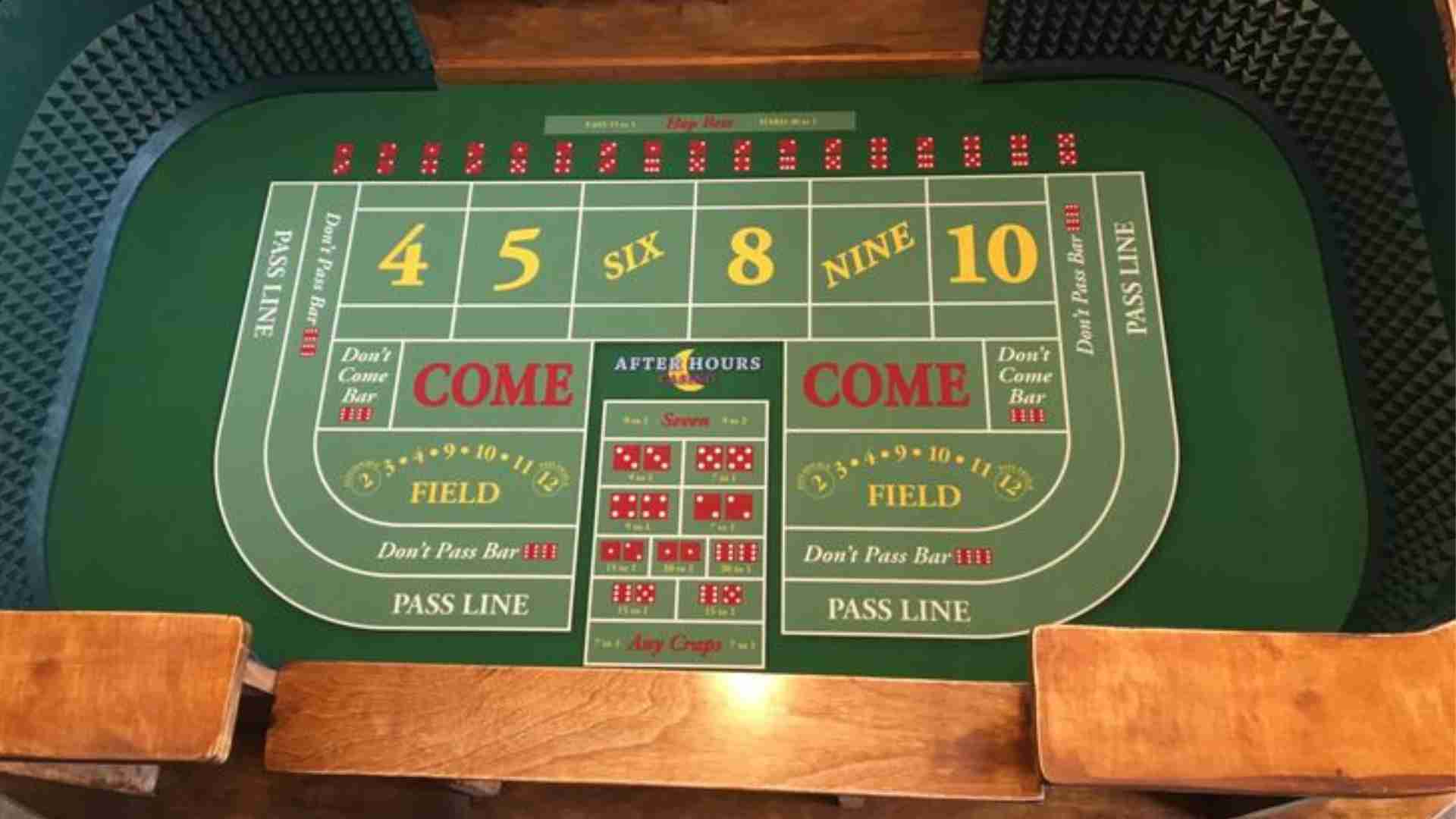
While newcomers often flock to simpler casino games like slots or roulette, seasoned gamblers frequently gravitate toward the lively environment of the craps table. This classic dice game offers a unique blend of community engagement, statistical advantage, and strategic depth that keeps veterans coming back. Understanding why these knowledgeable participants remain dedicated to the layout reveals the deeper complexities of casino gaming.
The Appeal of Favorable Mathematical Odds
One of the primary reasons veteran players prefer this game is the exceptionally low house advantage available on specific wagers. Unlike many games where the house maintains a significant edge, line bets combined with true odds options allow players to minimize their risk considerably. This mathematical fairness makes it an ideal choice for individuals who prioritize long-term sustainability over pure luck.
Furthermore, experienced enthusiasts know how to navigate the complex layout to avoid high-advantage proposition bets that drain bankrolls quickly. By sticking to a disciplined strategy, they can execute wagers that carry a house edge of less than 1.5 percent. This strategic control over the statistical probabilities provides a satisfying sense of agency during extended sessions.
Deep Strategic Flexibility and Choice
The vast array of betting combinations provides a layer of tactical complexity that appeals to analytical minds. Players are not restricted to a single choice; they can dynamically adjust their positions based on the current state of the game. This fluid environment allows for advanced hedging tactics and progression systems that match individual risk tolerances.
Whether executing conservative regression strategies or pressing active numbers during a hot streak, veterans appreciate the sheer volume of options at their disposal. For those who enjoy analyzing market dynamics or exploring digital sportsbooks like Msports, the analytical mindset translates perfectly to managing multiple active wagers on the felt. The ability to shift tactics mid-game ensures that the gameplay experience rarely feels repetitive.
The Unique Social Dynamics of the Table
Beyond the mathematics and strategies, the community aspect of the dice table creates an unparalleled atmosphere within the casino landscape. Since the majority of the table usually bets together on the Pass Line, a collective energy develops as players win or lose as a unit. This shared camaraderie contrasts sharply with the isolated experience of electronic gaming machines.
Veteran players understand how to read the energy of the table and use it to maintain their focus during volatile sessions. They appreciate the unspoken etiquette and mutual support that defines high-level play among seasoned participants. This social interaction transforms a standard gambling session into a compelling, shared entertainment experience.
Effective Control Over Bankroll Management
Long-term success in any casino environment relies heavily on personal discipline and structured money management techniques. Experienced participants excel at setting clear loss thresholds and realistic victory targets before the first dice throw. Their familiarity with the pace of the game allows them to withstand negative variance without making emotional decisions.
By pacing their wagers and utilizing place bets efficiently, they maximize their time at the table while keeping financial exposure controlled. This measured approach turns a highly volatile game into a calculated exercise in risk mitigation. Ultimately, it is this masterful combination of discipline, strategy, and favorable odds that solidifies the enduring appeal of the game.

Card Probability Games Explained ...
Card games have captivated players for generations, blending element of luck with deep intellectual engagement. For many enthusiasts, the true charm lies in the hidden mathematics that governs every single draw. Understanding how these probability mechanics function can significantly elevate your strategic approach and overall decision-making during gameplay.
The Mathematical Core of Decks and Deals
At the center of any traditional card game is a standard deck containing fifty-two unique elements. Every time a card is dealt or removed, the remaining composition changes, altering the odds for subsequent rounds. Recognizing these fluctuating likelihoods helps players shift away from vague guesswork toward highly logical choices.
Many popular mathematical models rely heavily on tracking independent and dependent events within the deck. By calculating the ratio of desired outcomes to the total pool, individuals can evaluate risks more accurately. This analytical foundation transforms simple pastimes into rewarding mental exercises that sharpen cognitive agility over time.
Balancing Random Distribution and Strategic Skill
New players frequently struggle to distinguish between pure chance and areas where their choices actually matter. While the initial shuffle relies entirely on random distribution, games like blackjack or poker allow players to influence results. Succeeding in these environments requires steady observation and the ability to calculate statistical variance on the fly.
Developing an intuitive grasp of these principles takes consistent practice and focused observation. Modern digital platforms offer great opportunities to witness how random number generators simulate traditional card distribution safely. When exploring your options online, utilizing a reputable portal like Msports can provide an excellent environment to study these mathematical behaviors in real time.
Cognitive Benefits of Analyzing Card Probability
Engaging regularly with probability challenges offers substantial psychological and sociological advantages for individuals of all ages. Studies suggest that tracking changing ratios and predicting outcomes keeps the human mind rationally sharp as it grows older. It encourages tactical flexibility, as players must constantly adjust their plans based on new visual evidence.
Furthermore, managing hidden information forces participants to utilize deductive reasoning and calculated risk assessment. Evaluating what remains in an opponent's hand creates an intellectual puzzle that keeps the brain highly active. These hidden layers turn simple recreation into a valuable tool for building daily critical thinking skills.
Practical Guidelines for Modern Enthusiasts
If you want to improve your strategic skills, begin by tracking the frequency of specific card values in smaller groups. Focus on the simple probability of drawing a particular suit before moving on to complex combinations. Practicing with real decks or digital simulators will gradually build your confidence without causing unnecessary confusion.
Always remember to approach these challenges with a balanced mindset focused primarily on learning and entertainment. Establishing clear personal boundaries ensures that the experience remains both accessible and intellectually fulfilling. With patience, the fascinating world of card probability becomes a deeply enjoyable pursuit that sharpens your logical faculties.

Carnival-Themed Scratch Card Fun ...
The nostalgic charm of a local fairground brings back fond memories of bright lights, cheerful music, and the unmistakable scent of cotton candy. For decades, traditional midway games have challenged visitors to test their skills and luck for a chance to win whimsical prizes. Today, this joyful atmosphere transitions perfectly into modern gaming layouts, allowing enthusiasts to experience the same festive energy right from their screens.
Capturing the Midway Atmosphere Digitally
Modern developers work hard to replicate the sensory excitement of a bustling festival ground within a compact digital grid. Colorful visual layouts often showcase familiar elements like classic striped tents, spinning ferris wheels, and floating balloons to establish a welcoming backdrop. These graphic choices are specifically chosen to evoke a sense of carefree entertainment for players looking for a quick break.
Beyond the static visuals, playful audio additions like calliope music and ambient crowd chatter complete the lighthearted environment. This specialized thematic approach ensures that every single session feels less like a sterile layout and more like a lively day out at the fairgrounds. By emphasizing authentic textures, the gaming experience delivers an immersive escape that pays homage to timeless community celebrations.
Classic Fairground Icons as Winning Elements
Instead of relying on generic number patterns, carnival-themed designs utilize familiar nostalgic tokens to guide the underlying gameplay. Players often look for traditional symbols like rubber ducks, striped popcorn buckets, carousels, and oversized plush toys to secure a match. This intuitive design choice makes the game immediately accessible to newcomers who already understand the spirit of the midway.
To explore these festive designs safely, visiting a recognized entertainment portal can provide instant access to high-quality layouts. If you want to check out interactive platforms featuring diverse options, visiting an official Msports destination offers an excellent entry point for casual gaming enthusiasts. Such platforms specialize in bringing dynamic variations together under one secure interface for maximum convenience.
The Psychology Behind Instant Reveal Mechanics
The quick, straightforward nature of scratch card mechanics aligns seamlessly with the fast turnaround times of physical booth challenges. In a real fair setting, a single turn on a milk bottle throw or ring toss takes less than a minute to complete. Digital variants mirror this rapid pacing, providing a direct outcome that satisfies the user's desire for immediate feedback.
This quick resolution keeps the casual entertainment flow moving forward smoothly without requiring long hours of strategic planning. Participants enjoy the pure simplicity of revealing hidden symbols, mimicking the physical act of scratching away a silver foil layer. This combination of nostalgic storytelling and straightforward mechanics explains why the genre remains highly appealing to a broad demographic.
Promoting a Safe and Joyful Gaming Experience
While the playful themes are meant to inspire fun, maintaining a balanced mindset remains the absolute foundation of healthy casual play. Establishing clear boundaries regarding time and personal budgets ensures that the fast-paced gameplay remains stress-free and entirely positive. Approaching the digital midway primarily as affordable leisure prevents common pitfalls and protects the integrity of the hobby.
Understanding the internal structure and probability details of a given series also helps participants maintain realistic expectations from the start. Reviewing these facts allows everyone to make informed choices based on factual parameters rather than relying on pure superstition. Ultimately, treated as a brief moment of lighthearted diversion, these bright festive formats offer a wonderful way to enjoy classic entertainment safely.
Semua artikel sudah ditampilkan.